How to efficiently machine shaped parts on CNC mill-turn machines?
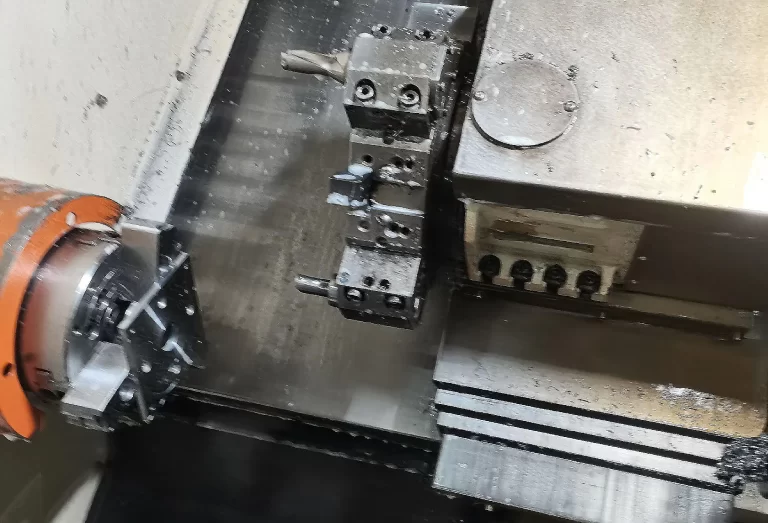


To truly understand CNC programming and machining technology, the first key question is: What types of CNC machine tools are there? We often hear the terms “lathe,” “milling machine,” and “machining center,” but how exactly do they differ?
Today, we’ll clarify this once and for all. The essence of CNC machine tools: they are machine tools controlled by programs.
A machining program is written on a computer to specify the machine’s movement path, feed rate, and cutting depth, and the machine automatically completes the part machining.
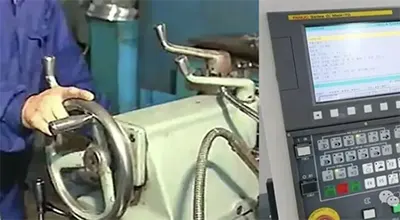
Conventional machine tools rely on manual, hand-crank operation, while CNC machine tools operate automatically based on programs.
This is the most fundamental difference.
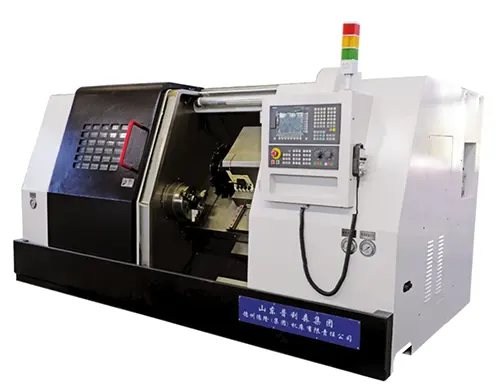
Key Features of Lathe Machining: The workpiece rotates while the tool remains stationary and moves.
The workpiece is clamped onto the spindle and rotates at high speed, while the tool feeds along the workpiece surface, removing material layer by layer.
Various rotary parts.
Everyday items such as screws, bolts, valves, and drive shafts—any axially symmetric circular workpiece—are mostly machined on lathes.
Conventional Lathe vs. CNC Lathe: Conventional lathes rely on manual handle operation to feed the tool;
CNC lathes use a computer system to automatically control tool feed, resulting in a significant difference in machining accuracy and production efficiency.
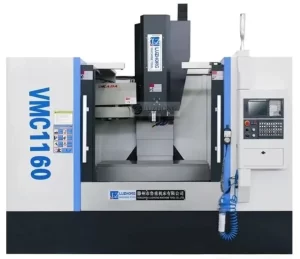
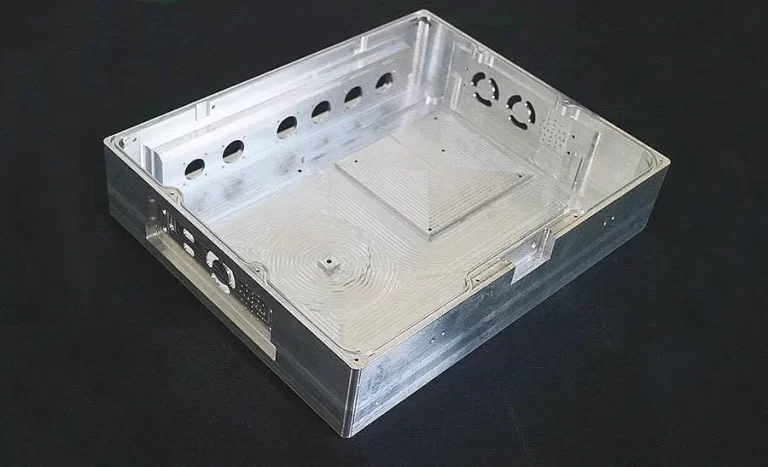
Key Features of Milling Machine Processing: The cutting tool rotates, and the workpiece moves.
The spindle drives the milling cutter to rotate at high speed, the worktable moves the workpiece, and the milling cutter continuously cuts away material.
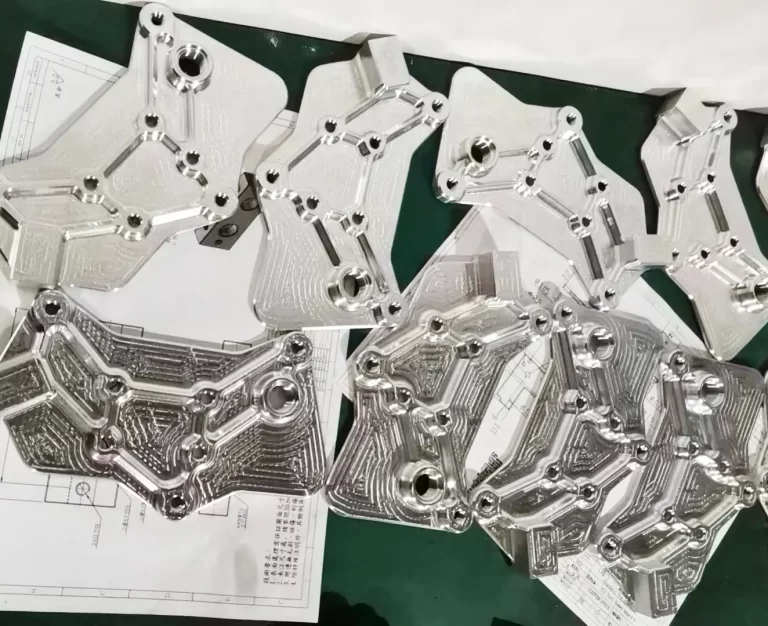
Various non-rotating, complex workpieces.
Mobile phone molds, engine cylinder blocks, various housing brackets, and workpieces with irregular or non-circular shapes are generally machined using milling machines.
On a lathe, the workpiece rotates; on a milling machine, the cutting tool rotates.
Lathes are for circular parts; milling machines are for irregularly shaped parts.
A simple and straightforward definition: Machining center = CNC milling machine + automatic tool changer
On a standard CNC milling machine, tool changes require manual operation: stopping the machine, removing the tool, installing a new tool, and re-aligning the tool—a time-consuming and labor-intensive process.
A machining center comes equipped with a tool magazine that holds a dozen or even several dozen tools;
Program commands control the machine to automatically change tools without human intervention.
Advantages: With a single setup, multiple machining operations can be completed—such as face milling, drilling, tapping, and boring—with automatic tool changes and continuous machining, significantly improving machining efficiency.
| Comparison | CNC Lathe | Machining Center |
|---|---|---|
| Tool Magazine | None; manual tool changes | Built-in tool magazine; automatic tool changes |
| Machining Process | Suitable for single-operation machining | Continuous multi-operation machining |
| Production Efficiency | Average | High |
| Equipment Cost | Relatively lower | Higher |
Comparison table of CNC milling machines and machining centers
| Machine Type | Rotating Component | Main Machining Targets | Key Features |
|---|---|---|---|
| CNC Lathe | Workpiece rotates | Shafts, discs, sleeves, and other round parts | Easy to operate and get started |
| CNC Milling Machine | Cutting tool rotates | Boxes, molds, and irregular planar parts | Strong contour machining capability |
| Machining Center | Cutting tool rotates | Complex parts requiring multi-process machining | Automatic tool changing |
Complete Comparison Table of the Three Major Machine Tools